Every safari brochure promises the Big Five: lion, leopard, elephant, buffalo, and black rhino. Almost none of them tell you the odds are wildly uneven. Elephant and buffalo show up on most trips. Leopard and black rhino are a different story entirely.
Touring Insights broke down sighting odds by species and by park, using named reserves, real distances, and current entry fees. Read this before you pick a park. Don’t wait until after you have already booked five nights somewhere that cannot show you all five animals.
What Counts as the Big Five, and Why the Odds Vary So Much
The term Big Five comes from old hunting language, not tourism marketing. It ranked the five animals hardest to hunt on foot: lion, leopard, elephant, Cape buffalo, and black rhino. That danger ranking still roughly tracks how hard each one is to photograph today.
Elephant and buffalo travel in herds, move during the day, and tolerate vehicles well. Lion prides are large and collared for research in many reserves, which helps guides find them fast. Leopard and black rhino are solitary, mostly nocturnal or dawn-active, and exist in much smaller numbers. Treating all five as equally likely sets up disappointment.
Group size matters as much as behavior. A lion pride might number fifteen animals across a territory that guides check daily. By contrast, a single leopard might be the only cat holding a five-kilometer stretch of riverbank. It can go unseen for days even by camps that track it closely.
Lion and Leopard: The Two Ends of the Big Five Odds
Lion sightings run high across Kenya’s major reserves. In the Masai Mara, most three-night stays produce at least one lion sighting, often several. Well-documented resident prides live along the Mara and Talek Rivers, and guides share radio locations, which shortens the search.
Leopard is the hardest of the five almost everywhere. They hunt alone and rest in trees or thick riverine bush during the day. Their small, overlapping territories make them easy to miss. A single leopard sighting on a three-day Mara trip is common. One that’s guaranteed is not, even with an excellent guide.
Elephant and Buffalo: Near-Certain Sightings in the Right Parks
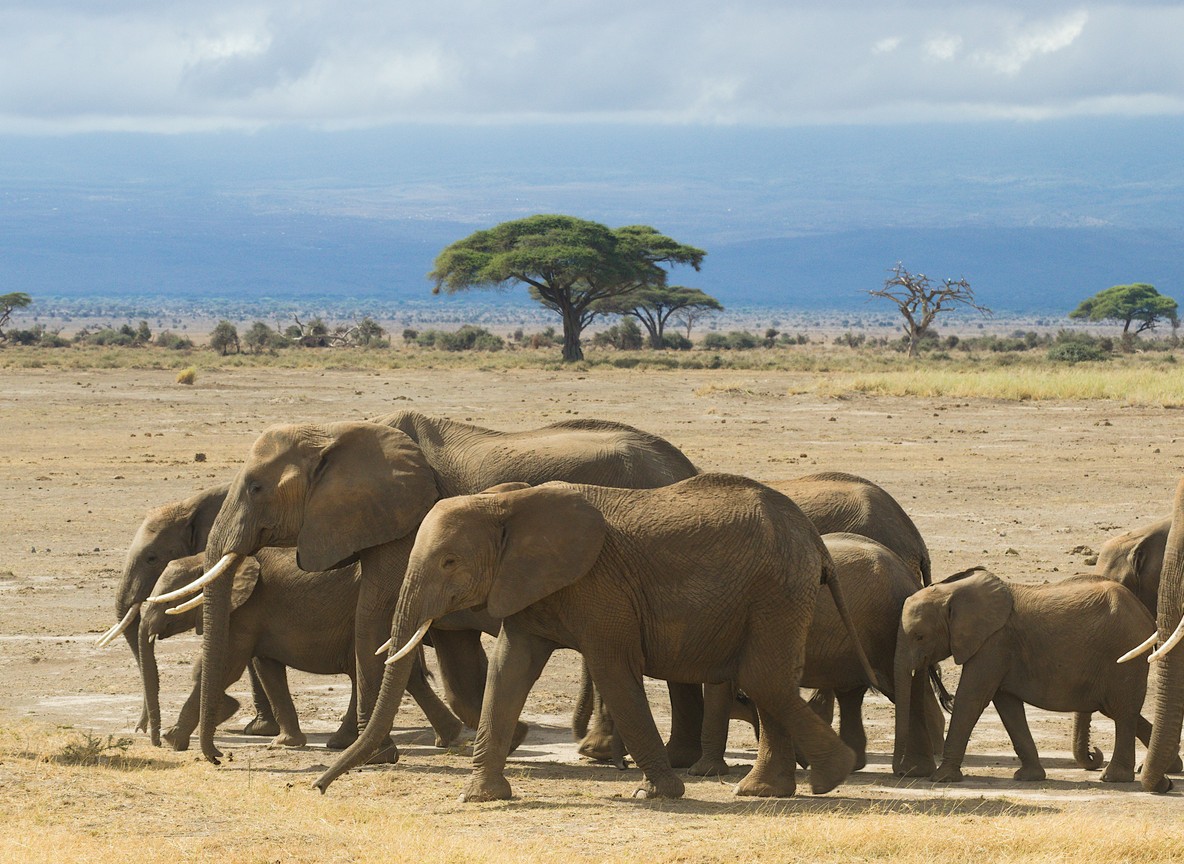
Amboseli National Park exists almost entirely because of its elephants. Herds gather at the swamps below Kilimanjaro through the dry months, and multi-day visits without an elephant sighting are rare. Tsavo East and Tsavo West also hold large elephant populations. The bush there is thicker, though, which makes photography harder than Amboseli’s open plains.
Buffalo travel in herds of dozens to several hundred and graze in open grassland. That makes them easy to spot in the Mara, Amboseli, and both Tsavo parks. Of the five species, elephant and buffalo are the closest thing to a sure bet. A three-night safari in a proper wildlife park should show you both.
Black Rhino: The Species That Breaks the Big Five Odds
Black rhino is the species most trips miss entirely. Kenya’s population sits at roughly 1,000 animals nationwide, concentrated in a handful of guarded sanctuaries rather than open reserves. The Masai Mara has a small, closely monitored population, and a sighting there is genuinely rare, even across several days.
Ol Pejeta Conservancy near Nanyuki holds East Africa’s largest black rhino population. It is also home to the last two northern white rhinos on the planet. Tsavo East‘s fenced Rhino Valley Sanctuary and Lake Nakuru’s rhino sanctuary offer far better odds than an open reserve. If seeing a rhino matters to you, choose the park for that reason specifically, not as an afterthought.
Which Kenya Park Gives You the Best Big Five Odds?
Park choice affects your odds more than trip length does. This table compares the main options by size, distance from Nairobi, entry fee, and realistic Big Five chances.
| Park / Reserve | Size (km²) | Distance from Nairobi | Non-Resident Entry Fee (per day) | Big Five Reality |
|---|---|---|---|---|
| Masai Mara National Reserve | 1,510 | ~270 km / 5-6 hr drive, or ~45-min flight to Keekorok or Musiara airstrip | $100 (Jan-Jun), $200 (Jul-Dec) | Lion, elephant, buffalo strong; leopard possible; rhino rare |
| Amboseli National Park | 392 | ~240 km / 4 hr drive via Kimana or Meshanani Gate | $90 | Elephant near-guaranteed, buffalo strong; no resident rhino |
| Tsavo East National Park | 13,747 | ~330 km / 5 hr drive via Voi Gate | $80 | Elephant and buffalo strong; rhino possible in fenced Rhino Valley Sanctuary; leopard low |
| Ol Pejeta Conservancy | 364 | ~200 km / 3.5 hr drive via Nanyuki | ~$90-110 (private conservancy, indicative) | Best rhino odds in Kenya; all five present, including big cats |
| Lake Nakuru National Park | 188 | ~160 km / 2.5 hr drive | $90 | Rhino sanctuary (black and white); lion and leopard inconsistent |
Fees are non-resident KWS gate rates current as of 2026. Ol Pejeta is the exception: it is privately run and sets its own rate. Confirm current pricing before booking, since conservancy fees change more often than KWS rates.
How Many Days Do You Need to See All Five?
Three nights in one strong park gives you good odds for lion, elephant, and buffalo. Add a fair shot at leopard, and a low chance at rhino unless you chose a sanctuary park. Extending to four or five nights raises leopard odds noticeably. More nights mean more dawn and dusk drives, when leopards are most active.
Most experienced guides recommend combining two parks to reasonably expect all five. Pair a rhino sanctuary like Ol Pejeta or Lake Nakuru for two nights. Add the Masai Mara or Amboseli for three or four nights. A single-park trip can still work, but only if that park holds rhino. That narrows the field to Ol Pejeta, Lake Nakuru, or Tsavo East’s fenced sanctuary.
Travelers on a tight schedule sometimes fly between the two legs instead of driving. A road transfer from Ol Pejeta to the Mara can eat most of a travel day. Flying instead keeps both legs to two or three usable game-viewing days each. That extra day matters more on a seven-day trip than on a longer one.
Factors That Change Your Odds: Season, Guide, and Vehicle
Dry season runs roughly June through October and January through February. It concentrates wildlife around remaining water sources and thins the bush, which helps every species except leopard. Wet season game viewing is still good but demands more patience and a guide who knows current animal movements.
An experienced guide matters more than most travelers expect. Guides share sightings by radio across camps. One with strong local relationships hears about a leopard or rhino sighting within minutes. A private vehicle also helps. Shared vehicles sometimes have to compromise on how long they linger at a sighting or which detour they take.
Explorer Notes
A few field details worth knowing before you go. The Mara Triangle sits on the reserve’s western side near the Oloololo Escarpment. Guides there report some of the best leopard odds around. Dense riverine forest along the Mara River is what draws them. Ask specifically for a Mara Triangle-based camp if leopard is your priority species.
At Ol Pejeta, book the rhino tracking activity directly rather than relying on a standard game drive. It pairs you with anti-poaching rangers who track collared rhinos, and it dramatically improves your odds over a self-guided drive. In Amboseli, position yourself near Observation Hill or the Enkongo Narok swamp at first light. That gives you the best elephant herd photography with Kilimanjaro in the background, weather permitting.
What to Read Next
- Curious how the Big Five compares to the Big Seven and Big Nine? Read our Big Five vs Big Seven vs Big Nine Kenya guide.
- Want a park-by-park breakdown before you book? See our Big Five Kenya safari parks guide.
- Planning an Amboseli trip specifically for elephants? Check our Amboseli Big Five guide.
FAQ
What is the easiest Big Five animal to see in Kenya? Elephant and buffalo are the easiest. Both travel in visible herds and appear on most multi-day safaris in Amboseli, the Masai Mara, and Tsavo.
What is the hardest Big Five animal to see in Kenya? Black rhino, by a wide margin. Kenya’s total population is around 1,000 animals, concentrated in a few guarded sanctuaries rather than open reserves.
Can I see the Big Five in the Masai Mara alone? You can see four reliably, but rhino sightings in the Mara are rare. Pair it with Ol Pejeta or Lake Nakuru if seeing all five matters.
How many days should I budget to see all five animals? Five to seven days across two parks gives realistic odds for all five. Three days in a single non-rhino park will likely leave you at four.
Does the season affect Big Five odds? Yes, for four of the five. Dry season concentrates elephant, buffalo, and lion near water. Leopard sightings depend more on guide skill and habitat than season.
Seeing all five is possible, but it takes the right park combination, not just a long trip. Visit our Tour Packages page to compare multi-park itineraries built around rhino sanctuaries and Big Five odds. Or ask a partner operator which combination fits your dates.
Further reading
More safari planning resources
- Masai Mara Big Five safari from SafariPure
- Map of Amboseli from Valley Safaris
- Big Five safari collection on FindMySafari
Related guides: Affordable Kenya Safari 2026: How to Plan for the Big Five on a Budget.